Regeneration Research
Showing all 15 results
-
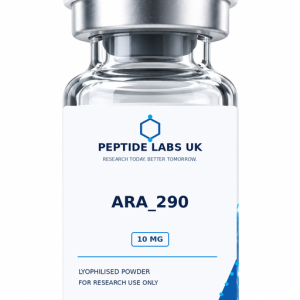
ARA_290 – 10mg
Read more -
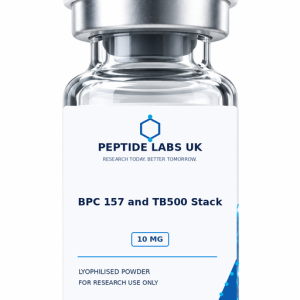
BPC 157 and TB500 Stack – 10mg
Read more -
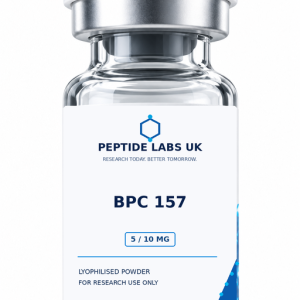
BPC 157 Research Peptide
Read more -
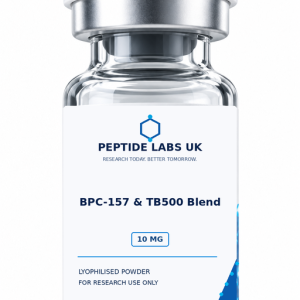
BPC-157 & TB500 Blend – 10mg
Read more -
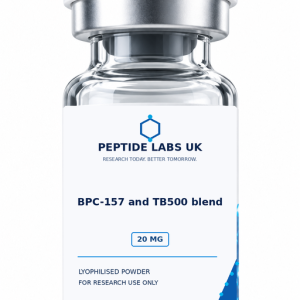
BPC-157 and TB500 blend – 20mg
Read more -
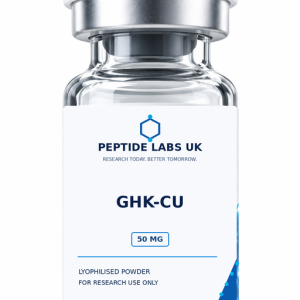
GHK-CU – 50mg
Read more -
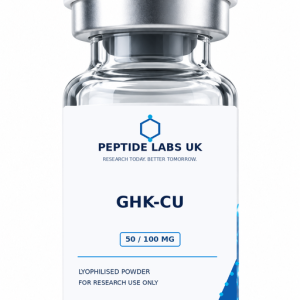
GHK-CU Research Peptide
Read more -
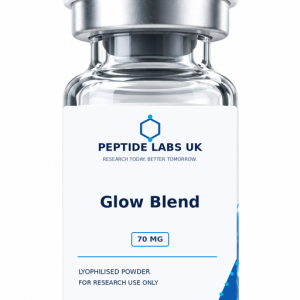
Glow Blend – 70mg
Read more -
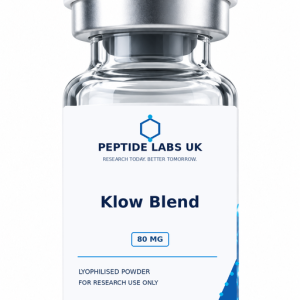
Klow Blend – 80mg
Read more -
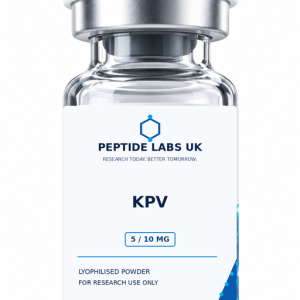
KPV Research Peptide
Read more -
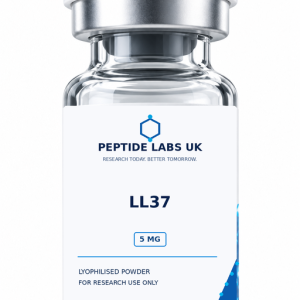
LL37 – 5mg
Read more -
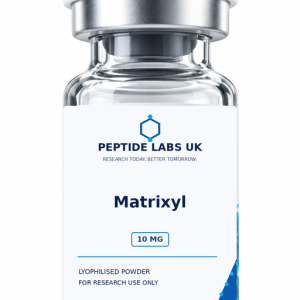
Matrixyl -10mg
Read more -
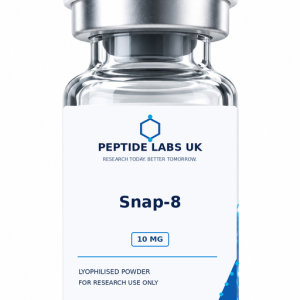
Snap-8 – 10mg
Read more -
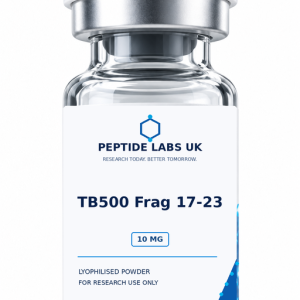
TB500 Frag 17-23 – 10mg
Read more -
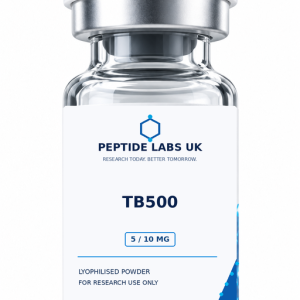
TB500 Research Peptide
Read more
RESEARCH CATEGORY GUIDE
Regeneration Research: Tissue Models and Repair Signalling
Explore research mechanisms, laboratory documentation and related catalogue materials. Educational information only; not medical advice.
Tissue research
Regeneration research investigates cellular migration, extracellular matrix changes, inflammation and signalling after injury in controlled experimental models.
Measuring repair-related responses
Scratch assays, gene-expression measurements and animal tissue models capture different aspects of repair. None independently demonstrates healing in people.
Single compounds and blends
BPC-157, TB-500 and mixtures containing both require separate assessment. A blend raises additional identity, ratio and analytical verification questions.
Research evidence and batch documentation
Check original study methods, sample controls, endpoints and limitations. Verify the material name, batch identifier, identity testing, purity method and any available certificate of analysis. A reported purity percentage alone does not establish suitability, sterility or clinical safety.
Explore related catalogue products
Explore matching products in the live catalogue. Links point directly to available product pages where a match exists.
Frequently asked questions
Does a cell assay prove tissue healing?
No. A laboratory assay cannot represent the full clinical process.
What should a research report include?
Material identity, experimental model, methods, appropriate controls, measured outcomes and study limitations.
Research use only. Not for human or veterinary use. Verify applicable regulations and institutional requirements.
RESEARCH LEARNING CENTRE
Regeneration Research: Tissue Models and Limitations
Regeneration research may use cell cultures and tissue models to explore repair-associated pathways.
Research methodology
Researchers should separate wound-closure assays, migration measurements and tissue-level outcomes, and document each model’s limitations.
Interpreting results
Preclinical observations should not be presented as proven human healing effects. For background, explore the Regeneration Research catalogue and research guide.
Research documentation checklist
- Confirm compound identity, formulation and batch details.
- Record experimental model, methods and appropriate controls.
- Distinguish observed endpoints from speculative conclusions.
- Document uncertainties, limitations and reproducibility.
Continue exploring
Compare the laboratory context of materials in the Regeneration Research category and follow individual product pages for available specifications. Related research categories are linked below.
Educational laboratory information only. No medical or veterinary use is implied.