Neuroactive Peptides: Research Mechanisms, Experimental Models and Evidence
This research hub explores neuroactive peptide signalling, laboratory study design and the differences between individual compounds. Research findings are model-specific and do not establish clinical safety or effectiveness.
Understanding neuroactive peptide research
Neuroactive peptide research investigates how peptide sequences interact with receptors, enzymes and signalling pathways in experimental nervous-system models. A compound may be studied for receptor binding, neuronal response, inflammatory markers or changes in laboratory behaviour. These are different endpoints and should not be presented as interchangeable.
Researchers comparing Semax, Selank and DSIP should consider molecular identity, the experimental model, exposure conditions and the measured endpoint before interpreting reported results.
Neural signalling and proposed mechanisms
Peptides can influence experimental signalling through interactions with receptors, peptide-processing enzymes and downstream intracellular pathways. Depending on the molecule and study design, investigators may measure receptor activity, gene expression, cell viability, neurotransmitter-related markers or inflammatory responses. A mechanistic signal in a cell assay is not proof of a meaningful outcome in people.
Receptor interactions and downstream pathways
Receptor-binding studies help characterise affinity and selectivity, while functional assays examine whether binding changes signalling. Results should be interpreted alongside concentration, assay controls and reproducibility. For broader signalling concepts, see the Cellular Research hub.
Stress-response and neuroinflammatory models
Some experimental programmes examine stress-associated markers or inflammatory signalling. Researchers should distinguish changes in biomarkers from clinical claims and account for differences between isolated cells, animal models and human research.
How neuroactive peptides are studied
Cell-based assays can test receptor responses or signalling markers under controlled conditions. Ex vivo tissue studies retain some tissue architecture but have their own limitations. Animal models can measure complex responses, though translation to humans remains uncertain. Human studies, where available, require separate appraisal of trial design, sample size and outcomes.
Important quality checks include blinded assessment where applicable, appropriate control groups, analytical confirmation of the test material, prespecified endpoints and transparent reporting of negative findings.
Individual research compounds
Semax and Selank
Semax and Selank are distinct peptide sequences discussed in neuroactive research literature. Their proposed mechanisms and evidence bases should be evaluated separately rather than treating them as equivalent compounds.
DSIP, Pinealon and Cortagen
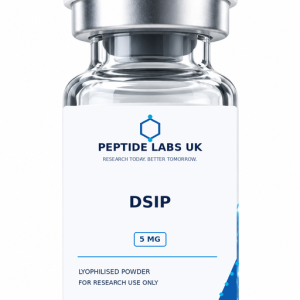
DSIP, Pinealon and Cortagen appear in different experimental contexts. Comparisons should focus on study design, analytical identity and reported endpoints, not unverified therapeutic claims.
Adamax, PE-22-28 and other materials
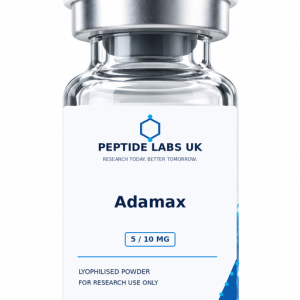
Explore the product records for Adamax and PE-22-28 for catalogue specifications. Other listed research materials include VIP, Oxytocin and ACTH; these are not interchangeable and require individual evidence review.
Evidence quality, documentation and limitations
Before drawing conclusions, inspect original publications for sample size, controls, measurement methods, statistical analysis, replication and conflicts of interest. Different peptide names or formulations should not be assumed equivalent. Verify lot numbers, identity testing, purity methodology and any available certificate of analysis. Purity alone does not demonstrate sterility, safety or suitability for administration.
For related experimental approaches, explore Regeneration Research and Growth Factor Research. These topics overlap in signalling biology but address different research questions.
Frequently asked research questions
What makes a peptide neuroactive?
The term describes a research interest in nervous-system-related signalling or experimental outcomes. It is not a clinical approval category.
Are Semax and Selank the same?
No. They are different peptide sequences and require separate assessment of identity, mechanisms and evidence.
Can cell-study findings be applied directly to humans?
No. Cell studies are useful for investigating mechanisms, but they cannot establish clinical efficacy or safety.
What information should a study report?
Test-material identity, experimental model, controls, methods, outcomes, uncertainty and limitations.
Does a high purity percentage establish safety?
No. Purity testing does not by itself establish sterility, biological safety or suitability for administration.
How should two neuroactive compounds be compared?
Compare primary research using equivalent endpoints and models where possible; avoid extrapolating across unrelated studies.
Research information only. Not for human or veterinary use. No dosing or treatment guidance is provided.
RESEARCH LEARNING CENTRE
Neuroactive Peptide Research Methods
Neuroactive research explores signalling, neural models and experimentally measured responses.
Research methodology
Assays may measure receptor interactions or cellular markers; neither necessarily predicts behavioural or clinical outcomes. Researchers should report tissue model, controls and measurement methods.
Confirm compound identity, formulation and batch details.
Record experimental model, methods and appropriate controls.
Distinguish observed endpoints from speculative conclusions.
Document uncertainties, limitations and reproducibility.
Continue exploring
Compare the laboratory context of materials in the Neuroactive Research category and follow individual product pages for available specifications. Related research categories are linked below.
Educational laboratory information only. No medical or veterinary use is implied.