Cellular Research
Showing all 11 results
-
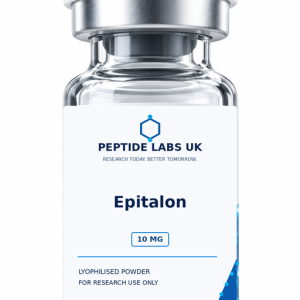
Epitalon – 10mg
Read more -

Epitalon – 50mg
Read more -

FOXO4-DR1 – 10mg
Read more -

Glutathione – 1500mg
Read more -

Humanin – 10mg
Read more -

MOTS-c Research Peptide
Read more -

NAD+ – Research Peptide
Read more -

SS-31 – 10mg
Read more -
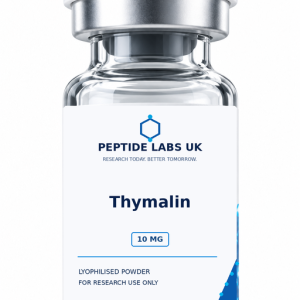
Thymalin – 10mg
Read more -

Thymosin Alpha 1 – 10mg
Read more -

Thymosin Alpha 1 – 5mg
Read more
RESEARCH CATEGORY GUIDE
Cellular Research: Mitochondria, Ageing and Molecular Mechanisms
Explore research mechanisms, laboratory documentation and related catalogue materials. Educational information only; not medical advice.
Cellular pathways
Cellular research covers energy production, oxidative balance, protein turnover, signalling and stress responses. Materials are used to investigate specific mechanisms.
Mitochondrial models
MOTS-c and SS-31 appear in different mitochondrial research contexts. Respiration, membrane potential and oxidative markers are separate experimental measurements.
Ageing-related hypotheses
Senescence, repair and gene expression are active research topics. Changes in a biomarker do not establish longer lifespan or a clinical benefit.
Research evidence and batch documentation
Check original study methods, sample controls, endpoints and limitations. Verify the material name, batch identifier, identity testing, purity method and any available certificate of analysis. A reported purity percentage alone does not establish suitability, sterility or clinical safety.
Explore related catalogue products
Explore matching products in the live catalogue. Links point directly to available product pages where a match exists.
Frequently asked questions
Does a mitochondrial marker prove a benefit?
No. A marker is one observation and requires contextual evidence.
What should a research report include?
Material identity, experimental model, methods, appropriate controls, measured outcomes and study limitations.
Research use only. Not for human or veterinary use. Verify applicable regulations and institutional requirements.
RESEARCH LEARNING CENTRE
Cellular Research: Experimental Design and Evidence
Cellular research investigates pathways involved in signalling, stress responses and mitochondrial processes.
Research methodology
Cell viability, metabolic readouts and marker expression are different endpoints. Experimental controls and reproducibility are essential when interpreting cellular studies.
Interpreting results
A change in a cellular marker is not evidence of a human health outcome. For background, explore the Cellular Research catalogue and research guide.
Research documentation checklist
- Confirm compound identity, formulation and batch details.
- Record experimental model, methods and appropriate controls.
- Distinguish observed endpoints from speculative conclusions.
- Document uncertainties, limitations and reproducibility.
Continue exploring
Compare the laboratory context of materials in the Cellular Research category and follow individual product pages for available specifications. Related research categories are linked below.
Educational laboratory information only. No medical or veterinary use is implied.